Every melee attack carries two things at once: a direction and a power level. Master both and you'll land hits around guards instead of straight into them.
Attack directions
Swings come from different directions — broadly an overhead, side cuts from the left and right, and a thrust (stab). Each has a use:
- Overhead — comes straight down; useful in tight presses and against a low guard, but easy to read.
- Side cuts — the widest arc and best reach on a horizontal line; mind teammates beside you.
- Thrust — pierces forward with the most range and a piercing profile; the spearman's bread and butter.
Because blocking is directional, varying your attack direction is what makes you hard to defend against. A fighter who only throws one swing gets parried all day. See Blocking, Parrying & Shields.
The power bar — charged attacks
Hold the attack button to wind a swing up and watch the power indicator climb through a fixed sequence. The longer you charge, the more it hurts — but hold it *too* long and it decays back to a feeble blow:
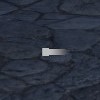 White dash — weak. Barely lands, and if it's **blocked, *you* get staggered**.
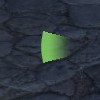 Green crescent — medium. A normal hit.
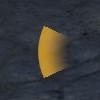 Gold crescent — strong. Hits hard and interrupts an enemy mid-swing.
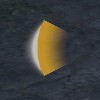 Gold crescent, white edge — full power. The hardest hit, also interrupts. Holds at max for 0.4–1 s before decaying.

A swing comes out weak for three reasons: swinging with no [stamina](/wiki/combat-guides/stamina), holding it too long (about 2 seconds — full power decays back to weak), or just tapping without charging. Because a *blocked* weak attack staggers the attacker, against a tired enemy simply blocking their flailing buys you a free opening.
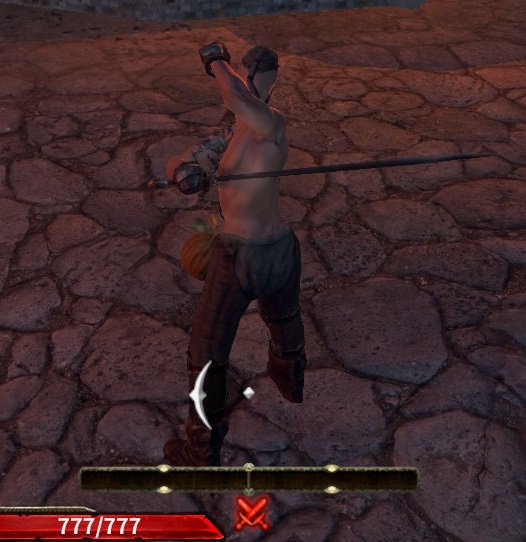
- Charged (strong/full) swings hit hardest and interrupt, but are slow, telegraphed and cost more stamina — and can themselves be interrupted or chambered before they land.
- Quick taps (medium) deal less per hit but are fast and stamina-cheap — good for chipping, finishing and punishing recovery.
Holding a fully-charged swing — keeping it wound at max to bait a block or throw off the enemy's timing — only lasts so long before it decays, and the window depends on the weapon:
| Weapon | Full-power hold |
|---|---|
| Daggers | 0.4 s |
| One-handed weapons | 0.75 s |
| Two-handed swords | 0.75 s |
| Two-handed axes | 1 s |
| Two-handed hammers | 1 s |
| Two-handed spears | 1 s |
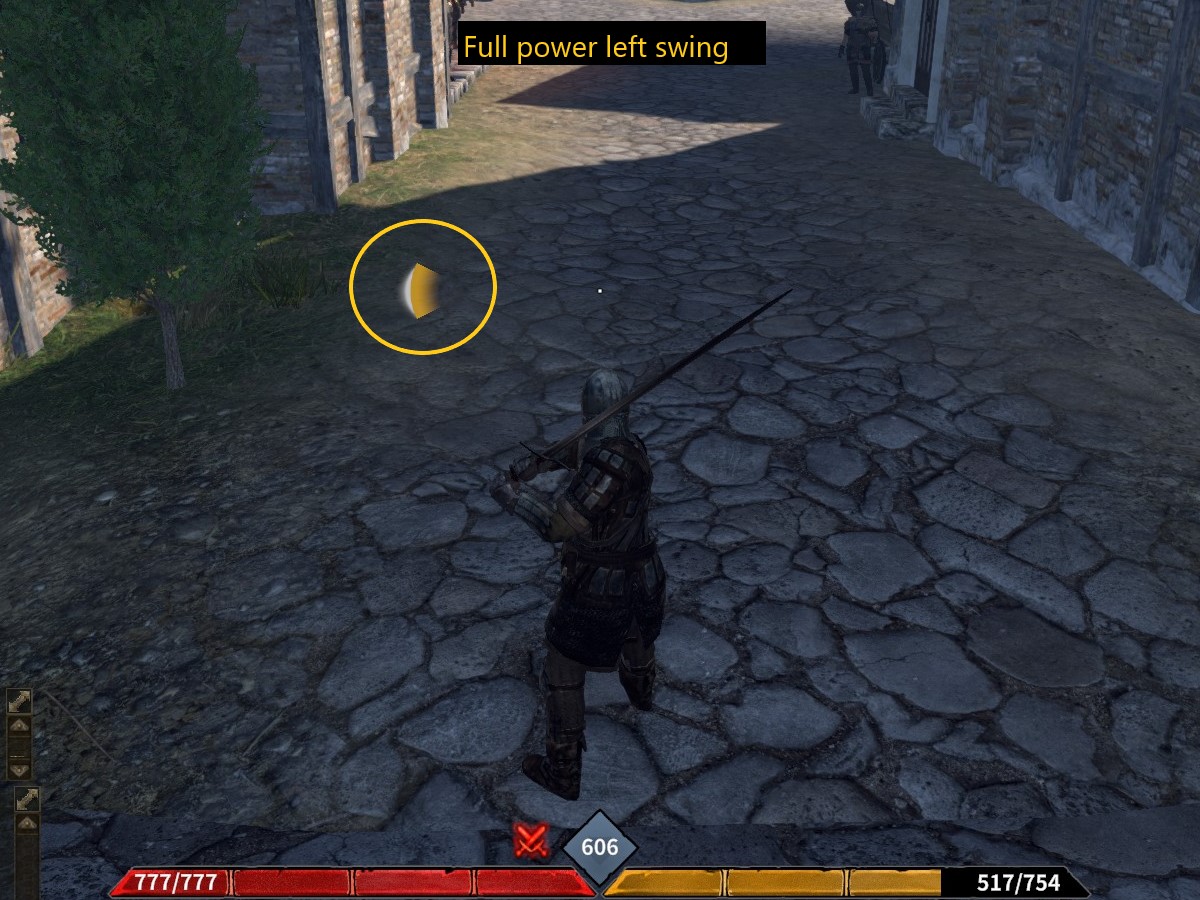
Don't wind up a full-power swing in the open with enemies in range — you're announcing it. Save the big hit for after you've created an opening.
Feinting
A feint is starting a swing and cancelling it — with the cancel-attack key, or by switching to a block — to bait the enemy into committing their guard to the wrong direction, then striking the angle they just left open. Each feint costs 5 stamina, and it's the cleanest way to crack a patient defender who won't swing first.
A sound feint is the refined version: cancel the swing at the exact moment its attack sound still reaches the enemy, so they react to a blow that never comes. Also 5 stamina — there's a fuller treatment in Kicks, Bashes & Feints.
Interrupts, stuns & staggers
Land a strong or full-power hit on an enemy mid-wind-up and you interrupt them — their attack simply doesn't come out. A full-power arrow interrupts too, which is why archers punish anyone charging a swing in the open. Weaker hits won't interrupt, so the strong attack is your tool for shutting a wind-up down.
Two heavier states can end your turn for you. A stun — from being kicked while blocking, or shield-bashed — immobilises you: no moving, blocking or attacking. A stagger is lighter: you can move but not attack or block, and it's exactly what a blocked weak attack inflicts on the attacker. Empty stamina leaves you wide open to both.
 Stun — fully immobilised: no moving, blocking or attacking.
 Stagger — lighter: you can move, but can't attack or block.

Two top-tier abilities bend this maths — *Battle Rage* stops your attacks being interrupted while you're below 60% health, and *Unstoppable* converts stuns into the much shorter staggers. Compare them in the Build Maker.
Backstabs & headshots
Where you hit matters — but the two bonuses split cleanly by range. A backstab, hitting an enemy from behind in melee, deals bonus damage with any weapon, so flank whenever the line gives you the chance. A headshot bonus, by contrast, only applies to arrows fired from a bow — there are no melee headshots, and thrown weapons don't headshot either. Aim for heads when you're shooting; aim for backs when you're swinging.